
 Tshirt
 Custom Hoodie & Sweat
 Custom Bags
 Flag
Flag
 Towel
Towel
 Custom Scarf
 Cap
Cap

World Cup Custom T-Shirt Procurement Guide: A Complete Process Guide to Avoid Pitfalls from Fabric Selection to Process Acceptance
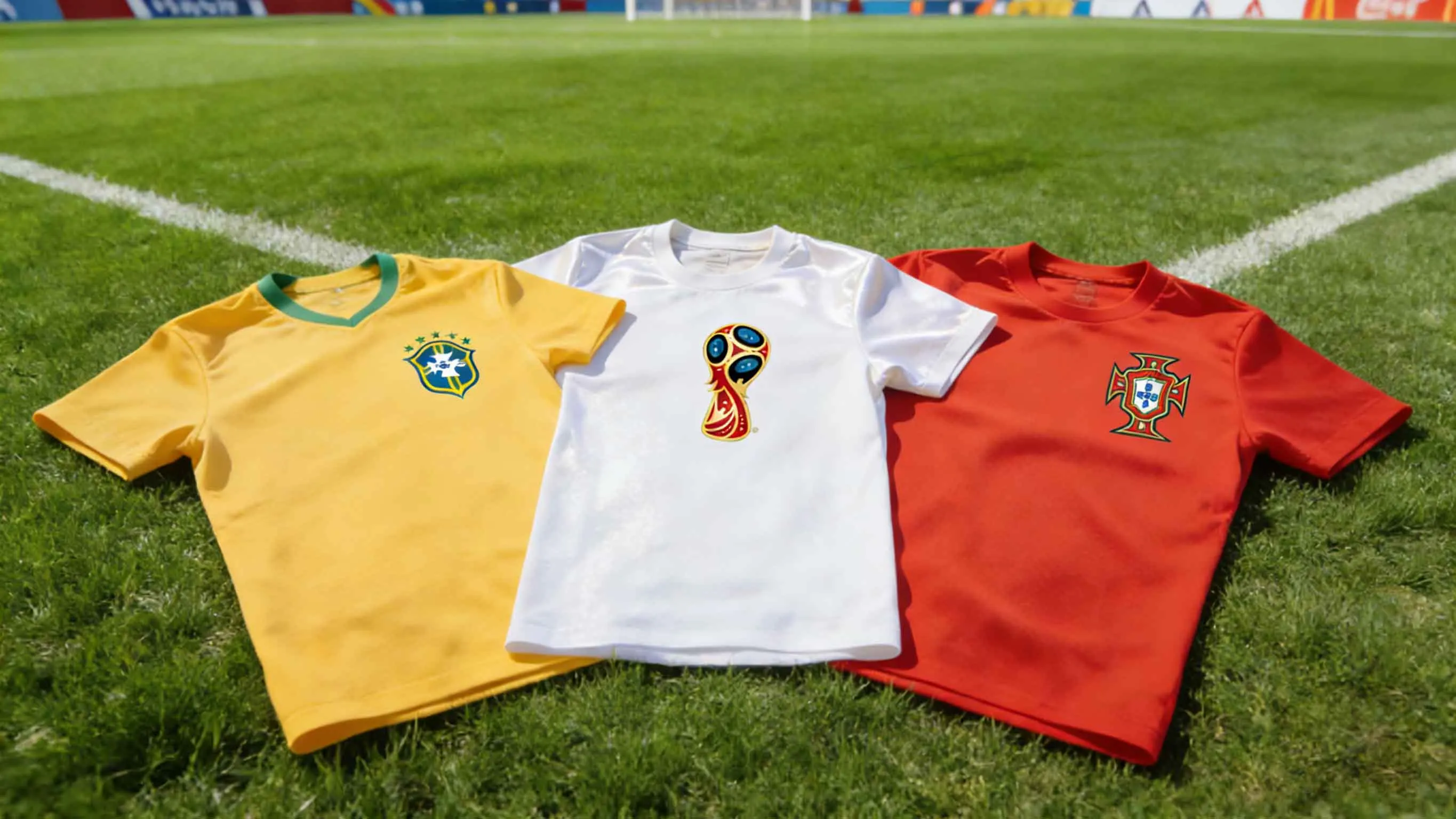
In the preparation of World Cup events, custom World Cup T-shirts are not only a commemorative symbol for participating athletes but also a direct carrier of the event's brand image.
January 23, 2026
Views:
587
|
.webp)
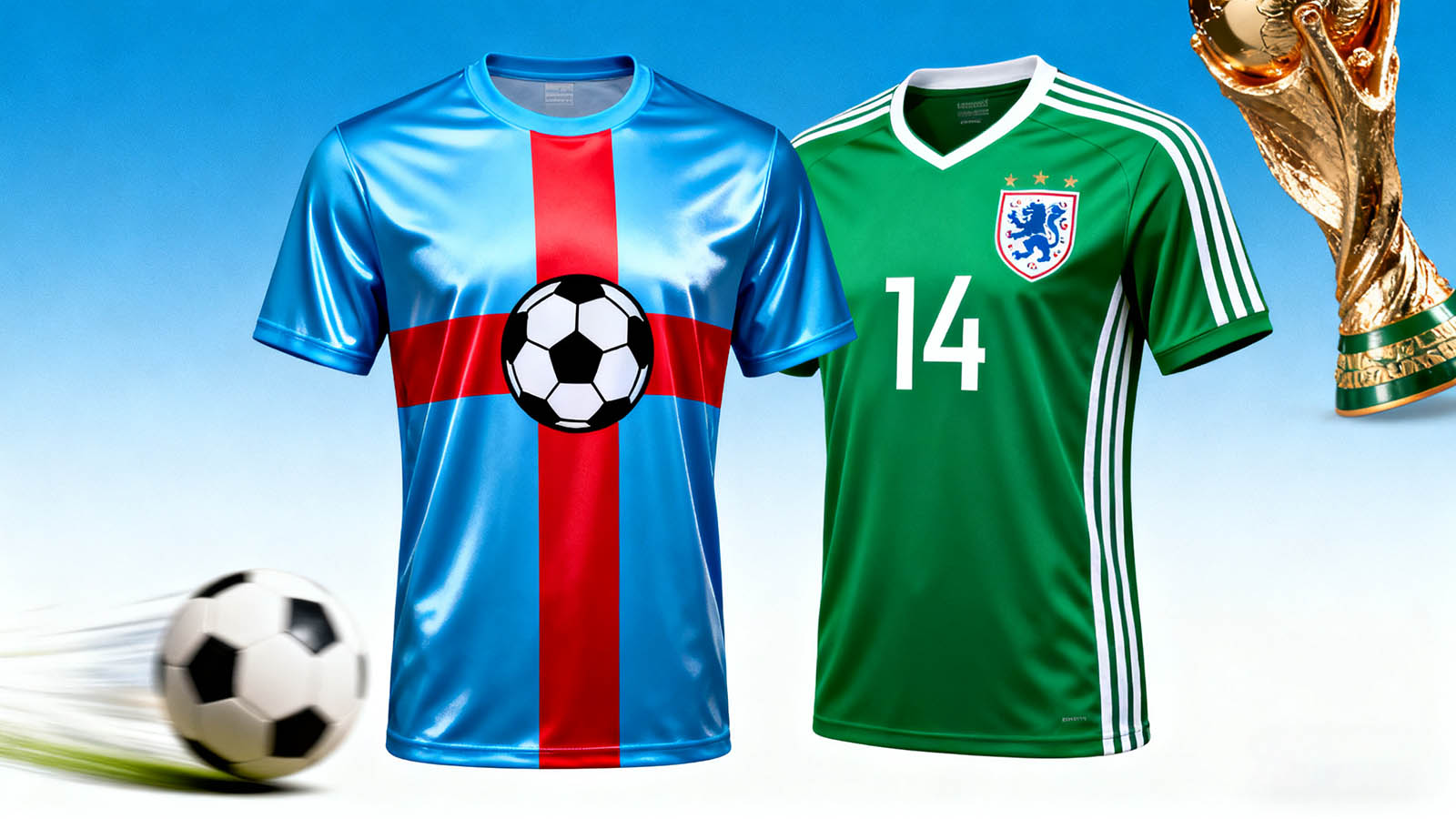
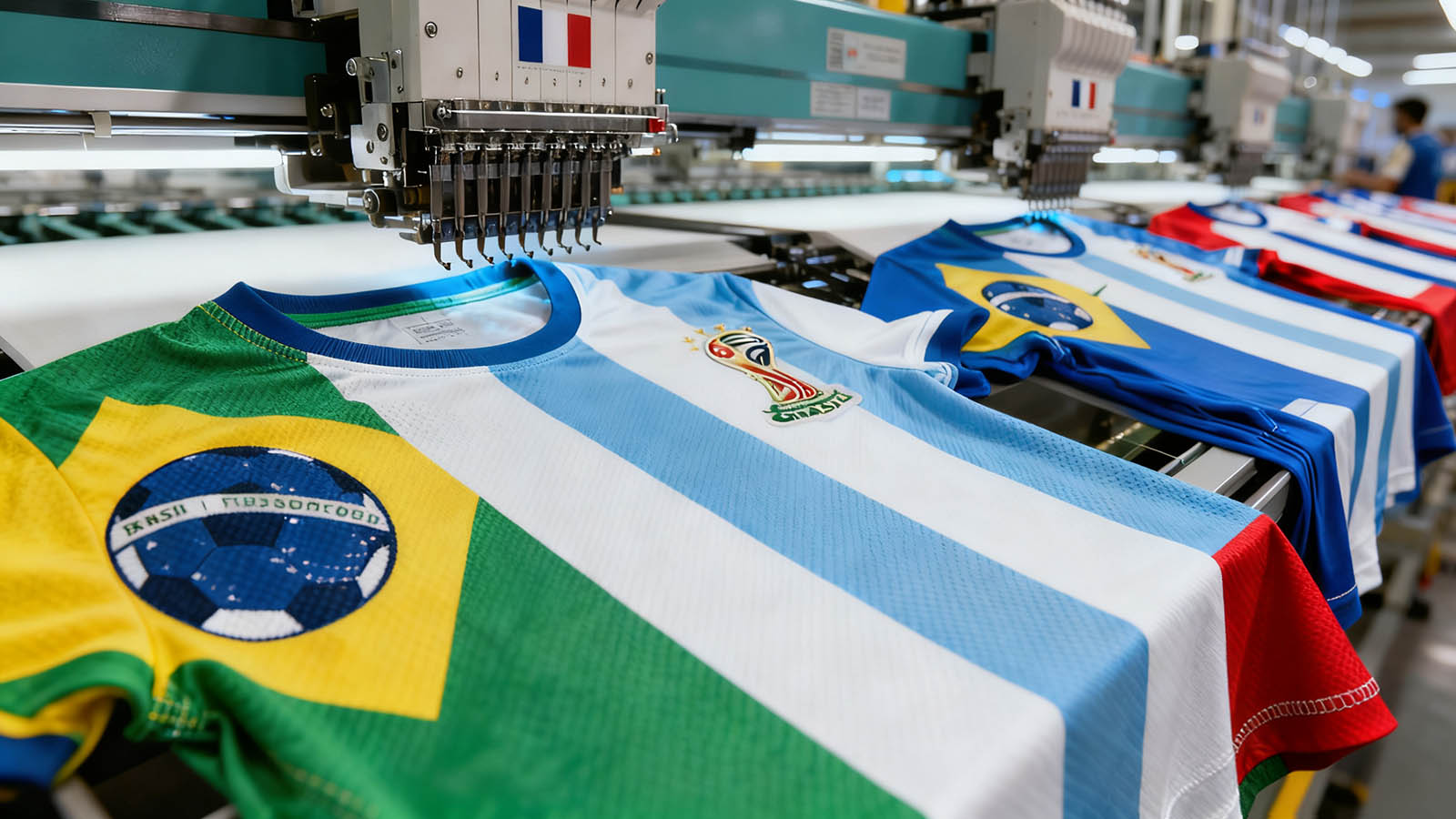
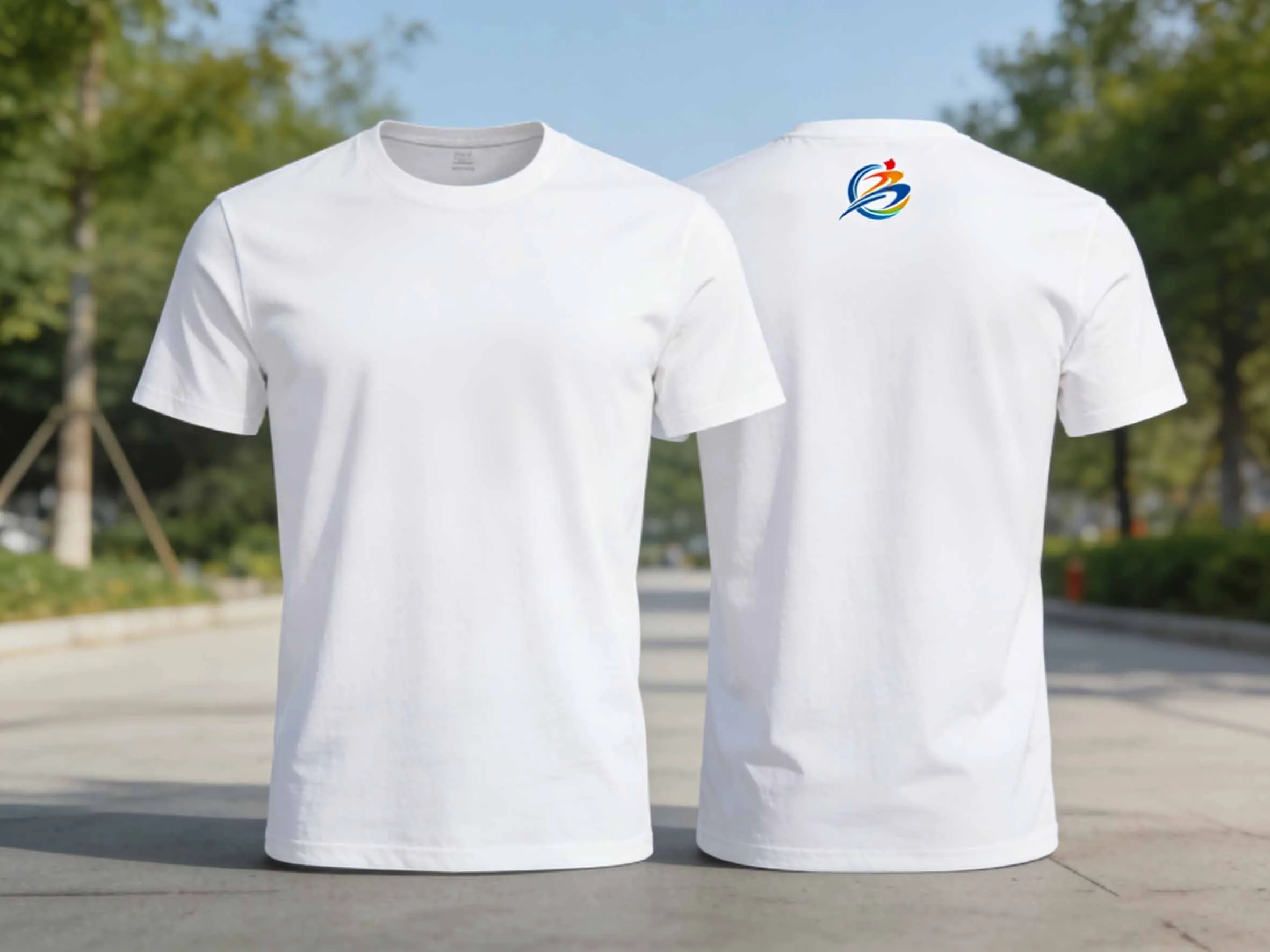
In the preparation of World Cup events, custom World Cup T-shirts are not only a commemorative symbol for participating athletes but also a direct carrier of the event's brand image. High-quality custom T-shirts can enhance athletes' experience and boost the event's reputation, while any oversight in the procurement process may lead to issues such as uncomfortable fabrics, process defects, and batch disqualification.
As a fabric printing enterprise with 31 years of industry experience, Gahumi relies on resources from more than 1,000 high-quality fabric suppliers worldwide, 3 production bases, and over 200 high-speed and low-consumption equipment to provide one-stop T-shirt OEM/ODM services for World Cup events. Below, we break down the key points to avoid pitfalls throughout the entire process, from fabric selection and process choice to batch control and acceptance standards.www.gahumi.com/special-techniques
Fabric Selection: Focus on Event Scenarios and Avoid "Comfort Pitfalls"
The particularity of World Cup events lies in athletes' need for long hours of intense exercise. Therefore, fabric breathability, sweat absorption, wrinkle resistance, wear resistance, and light weight have become core demands. Blindly choosing low-cost fabrics can easily lead to problems such as "stuffiness and stickiness" and "deformation and pilling".
Firstly, clarify the adaptability of fabric components: Polyester blended fabrics (such as polyester and spandex) are the first choice. Their air-permeable pore structure enables rapid sweat wicking, and the spandex component enhances elasticity to avoid restricting movement during exercise. All of Gahumi's fabrics undergo dual testing for breathability and moisture absorption, meeting international tournament-level standards.
Secondly, avoid the "high cotton content trap"—pure cotton fabrics become heavy and difficult to dry quickly after absorbing sweat, and are prone to bacterial growth when worn for a long time. In contrast, Gahumi's functional fabrics have passed the Global Recycled Standard (GRS) certification, balancing environmental friendliness and practicality, making them suitable for the high-intensity scenarios of the World Cup.
In addition, for different event environments (high temperature, rainy weather, cold), differentiated fabrics can be customized: mesh fabrics for high-temperature regions to enhance heat dissipation, and fleece breathable fabrics for cold regions. Gahumi's one-on-one consulting service can provide fabric adaptation plans based on the event location and season, avoiding "one-size-fits-all" selection mistakes.
Process Choice: Lock in Core Technology and Reject "Appearance Failures"
The clarity and color fastness of patterns on custom World Cup T-shirts directly affect brand presentation. Improper process selection can easily result in problems such as "fading, cracking, and blurred patterns". Sublimation printing process is the optimal solution for tournament-level customization. This process uses high temperature to penetrate dyes into the inner fibers of the fabric, integrating patterns with the fabric. It is sweat-resistant and wash-resistant, fully adapting to the needs of marathon athletes for repeated wearing and washing. Gahumi's sublimation printing process has passed REACH and RoHS certifications, ensuring no harmful substance residues, and the color fastness reaches grade 4 or higher (industry standard is grade 3).
In addition, for event logos or thematic elements that require three-dimensional presentation, Gahumi's unique Inca embroidery technology can be combined—first printing a base layer, then precisely positioning and embroidering with intelligent robots, integrating flat embroidery and three-dimensional embroidery. The patterns are delicate and realistic, and will not be heavy or abrasive to the skin like traditional embroidery. It is necessary to avoid the "low-cost screen printing process", whose patterns are prone to peeling and have poor breathability, which may cause skin discomfort during long hours of exercise. Gahumi's process team can provide personalized solutions such as sublimation printing, embroidery, and digital printing based on pattern complexity and batch requirements, and quickly respond to design needs within 1-6 hours.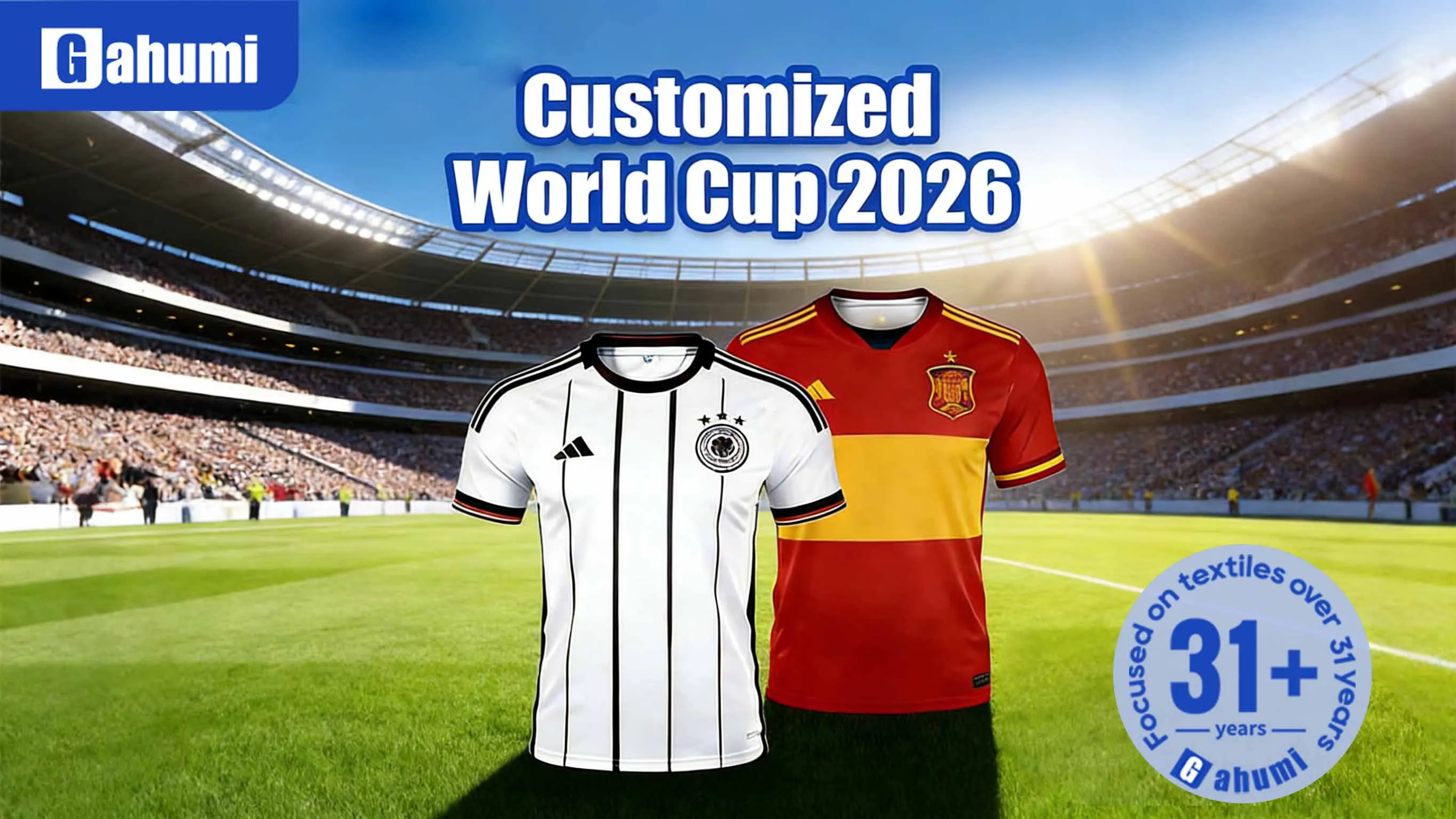
Batch Production Control: Rely on Factory Strength to Avoid "Batch Defects"
The core pain point of batch customization is "qualified individual products but inconsistent batches", such as size deviations, uneven color depth, and detail defects, which require strong production control capabilities as support. Gahumi has a 5,000㎡ production base equipped with over 200 high-speed and low-consumption machines, adopting computer control systems to achieve large-scale production and ensure the size error of each T-shirt.
In the production process, a three-level system of "raw material inspection - semi-finished product sampling inspection - finished product full inspection" is established: verify fabric composition and weight before raw material warehousing; sample 10 pieces every 200 pieces produced to test pattern accuracy and sewing quality; test finished products with color fastness testers, wear resistance testers and other equipment before delivery to avoid batch problems.
Acceptance Standards: Quantify Testing Indicators and Eliminate "Final Hidden Dangers"
Procurement acceptance is the final line of defense. Vague acceptance standards can easily lead to subsequent disputes. Establish a quantified testing system:
- Appearance inspection: No pattern offset, missing printing, or double exposure; neat stitches without skipped stitches; accurate logo position;
- Size inspection: Randomly sample products to check key dimensions such as chest circumference, garment length, and sleeve length; re-inspect the entire batch if deviations exceed standards;
- Color fastness testing: Adopt the sweat test method—soak the fabric in simulated sweat for 24 hours to observe if fading or staining occurs;
- Durability testing: No pilling after 50 repeated rubbings; rebound after stretching. As an enterprise certified by multiple international certifications such as ISO and Amfori-BSCI, Gahumi can provide complete test reports and support on-site or third-party agency sampling inspections to ensure that each batch of custom T-shirts meets tournament-level standards.
- Verify order details during acceptance: Check whether customization parameters (color, pattern, size ratio) are consistent with the confirmed sample; whether the packaging is moisture-proof and dust-proof; whether the logistics plan meets the event preparation timeline. Gahumi's fast delivery service of 5-14 days (expedited delivery can be negotiated for large orders) can accurately match the preparation cycle of World Cup events.
Systematic Control Balancing Quality, Efficiency, and Cost
The procurement of custom World Cup T-shirts is never a simple matter of "selecting fabrics and printing patterns", but a systematic control that balances quality, efficiency, and cost. Oversights in any link may affect the event image and athletes' experience, and even cause unnecessary time and economic losses. The adaptability of fabric selection, rationality of process choice, stability of batch production, and rigor of acceptance standards together constitute the core elements of successful procurement. Only by avoiding every "pitfall" can we achieve a perfect fit between customization needs and event standards.
Choosing a professional partner is not only the key to avoiding procurement risks but also a guarantee for making custom World Cup T-shirts a highlight of the event and demonstrating brand strength. May every World Cup event be able to freeze wonderful moments, convey the event spirit with high-quality custom T-shirts, and live up to every preparation and expectation.
FAQ
Q1: Which fabric is preferred for custom World Cup T-shirts?
A: Polyester blended fabrics (such as polyester + spandex) are recommended, as they are breathable, sweat-absorbent, elastic, and wash-resistant, suitable for long-hour sports scenarios. Gahumi has more than 1,000 high-quality fabric suppliers, can provide sample testing, and supports customizing functional fabrics according to the event environment.
Q2: What is the minimum order quantity for batch customization?
A: The minimum order quantity is 300 pieces, which meets the OEM/ODM service standards and supports small-batch trial orders before scaling up production. For large-scale events, Gahumi can undertake million-level orders and complete delivery within 30 days.
Q3: How to ensure that custom T-shirts are sweat-resistant and fade-proof?
A: Adopt sublimation printing process to penetrate dyes into the inner fibers of the fabric, combined with environmentally friendly dyes certified by REACH and RoHS. After 24-hour sweat testing and 50 washing tests, the color fastness reaches grade 4 or higher, ensuring tournament-level durability.
Q4: What indicators should be focused on during acceptance?
A: Focus on testing appearance (patterns, stitches), size deviation, color fastness, and durability. Gahumi can provide third-party test reports and support on-site sampling inspections to ensure that the entire batch of products meets customization requirements.

share
Contact Us
Your email address will not be published. Required fields are marked*
Related Products
.webp)
.jpg)
.jpg)
.jpg)
.jpg)
.jpg)

.jpg)